

A trip to Kraków offers rich history, stunning architecture, and vibrant culture. For many visitors, however, one experience stands apart, often described as essential, moving, and unforgettable: a visit to the Auschwitz-Birkenau Memorial and Museum.
This former complex of German Nazi concentration and extermination camps, located about 70 kilometers west of Kraków, is not a typical tourist attraction. It is, first and foremost, a solemn place of remembrance, a vital part of World War II history, and a powerful warning for humanity.
What You Will See: Two Distinct Sites
The visit typically covers the two main camps, Auschwitz I and Auschwitz II-Birkenau, each offering a distinct, albeit equally profound, experience. The entire duration of the guided visit, including both camps and the travel time between them, typically lasts 3.5 to 4 hours. This makes for a long day, but many tourists agree that every minute is essential.
1. Auschwitz I (The Main Camp)
Auschwitz I served as the administrative centre of the complex and the initial concentration camp. Here, the experience is more focused on the preserved brick barracks, which now house exhibitions.
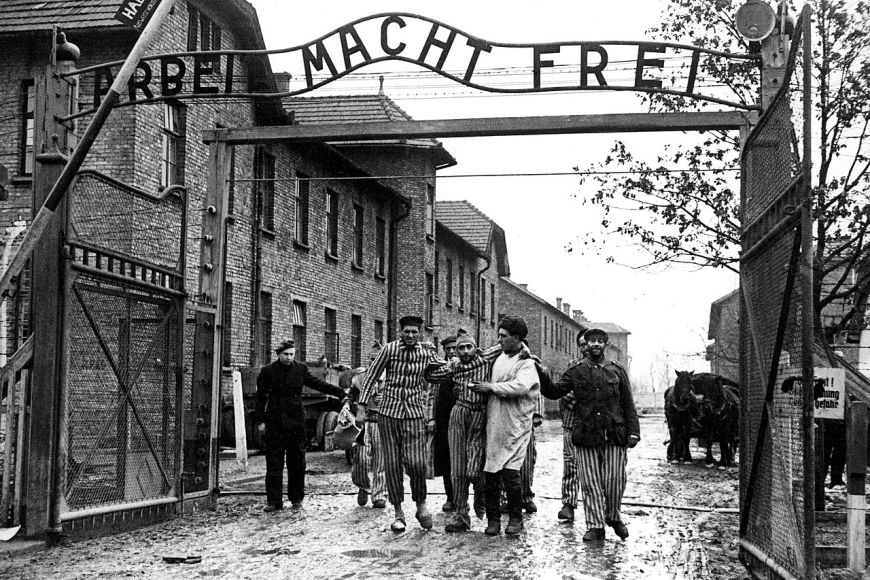
The Infamous Gate: Your visit begins by walking under the gate bearing the chilling and deceitful inscription: Arbeit Macht Frei ("Work Sets You Free").
The Exhibitions: Inside the blocks, you will see harrowing, preserved evidence of the atrocities committed: vast rooms filled with the victims' belongings—hair, suitcases, shoes, and spectacles—which many tourists find particularly gut-wrenching and deeply personal.
Block 11 and the Death Wall: You will see the infamous "Block of Death" and the Execution Wall, where thousands of prisoners were murdered. This site is often described as eerie and chilling.
The First Gas Chamber: You will pass through one of the first gas chambers and the adjacent crematorium, which serves as a stark and powerful reminder of the scale of the genocide.
2. Auschwitz II-Birkenau (The Extermination Camp)
A short, free shuttle bus ride separates Auschwitz I from Birkenau. This site is vast and sprawling, a landscape dominated by haunting, endless rows of wooden barracks and the iconic railway line.
The Gatehouse: This is the most recognizable image of the Holocaust—the immense, brick Death Gate (Todesrampe) through which the trains arrived, carrying victims from all over Europe.
The Scale of Atrocity: Birkenau was the largest Nazi extermination facility. Visitors often use words like enormous and overwhelming to describe its sheer scale. The preserved watchtowers and miles of barbed wire fences underscore the camp's tragic function.
The Ruins: Here, you will see the ruins of the massive gas chambers and crematoria, blown up by the Nazis in a failed attempt to conceal their crimes. Walking this open, desolate space gives a profound sense of the horror and desolation of the place.
Essential Visitor Information and Logistics
A guided tour is highly recommended to gain a deeper understanding of the complex history and the sheer magnitude of the events. Tours are led by official, certified Auschwitz Memorial guides (Educators), who are praised as respectful, informative, and compassionate.
When preparing for your visit, remember to dress modestly and appropriately for a place of such solemn significance. You should wear comfortable, closed-toe shoes, as you will be walking a great deal on gravel and dirt. Be prepared for necessary security checks, and note that bags larger than 35x25x15 cm are generally not allowed inside the Museum area. You are strongly advised to book well in advance! Tickets and tour slots sell out quickly, especially during peak season.
Finally, prepare for the emotional impact. This is a visit that is emotionally draining and difficult to process. Many visitors say it's an experience that will stay with you forever, and it is recommended for visitors aged 14 and above. Allow time afterwards for quiet reflection.
Why Take a Tour from Kraków?
Booking a guided tour with transfer streamlines the logistics, allowing you to focus entirely on the experience. Transfers from Kraków usually include comfortable, direct bus transportation, avoiding the stress of public transit. By securing your tour through an operator, you also guarantee your mandatory timed entry and receive the expert historical insight, transforming the buildings and artefacts into a living history lesson.
A visit to Auschwitz-Birkenau is a pivotal experience that offers an unvarnished confrontation with the past. It is an act of solidarity and a powerful pledge to ensure that the words Never Again are not forgotten.